
What Is Contractor Product Loyalty and Why It Matters
Contractor product loyalty is defined as the sustained commitment a contractor develops toward a specific manufacturer or distributor’s brand, driven by structured incentive programs that reward repeated purchasing, training participation, and brand advocacy. This loyalty goes well beyond price and availability. It shapes which products a superintendent specifies on a job site, which supplier a project manager calls first during a supply crunch, and which brand a subcontractor recommends to a general contractor. Loyalty programs increase repeat purchases by 67% and average spend by 82%. That means the brands investing in these programs are not just winning transactions. They are winning relationships that compound over time.
What is contractor product loyalty and how does it work?
Contractor product loyalty is the industry term for what marketing professionals sometimes call “channel loyalty” or “trade loyalty.” It describes the preference a contractor builds for one brand over another, reinforced through a formal program that rewards cumulative behavior rather than one-time purchases.
The mechanics are straightforward. A manufacturer or distributor creates a points-based or tiered program. Contractors earn rewards by buying products, completing product training, attending brand events, or referring other contractors. Over time, those rewards accumulate into tangible benefits: tool credits, training certifications, rebates, or crew gear. The key distinction is that loyalty programs differ from rebates by rewarding ongoing engagement, not just a single discounted transaction. A rebate ends when the invoice is paid. A loyalty program builds a relationship that carries into the next project.

Branded programs outperform coalition programs for one clear reason. Branded experiences tie rewards and all communications directly to one manufacturer, which builds stronger brand preference than a shared points platform where a contractor earns the same currency from a dozen competing brands. When a contractor associates a reward directly with your brand, the emotional connection is yours alone.
Pro Tip: Design your program so that every touchpoint, from the enrollment email to the reward redemption page, carries your brand identity. Generic portals erode the brand association you are trying to build.
The behaviors a well-designed program targets include:
- Repeated purchases across a product line, not just a single SKU
- Completion of product training or OSHA-aligned safety courses tied to your brand
- Referrals to other contractors or subcontractors in the same trade
- Participation in product feedback sessions or beta testing for new tools
- Consistent purchasing during supply constraints, when competitors may offer short-term discounts
What are the measurable benefits of product loyalty for contractors and manufacturers?
The financial case for contractor loyalty programs is direct and well-documented. Programs can boost annual revenue by 12–25% and purchase frequency by 30–60%. Those are not marginal gains. For a mid-size electrical subcontractor buying wire, conduit, and panels across dozens of projects per year, a 30% increase in purchase frequency with a single preferred supplier represents a significant shift in procurement behavior.
The retention math is equally compelling. A 5% increase in customer retention drives 25–95% profit growth, and retaining an existing contractor costs 5–25 times less than acquiring a new one. That ratio makes loyalty programs one of the highest-return investments a manufacturer can make in its channel strategy.
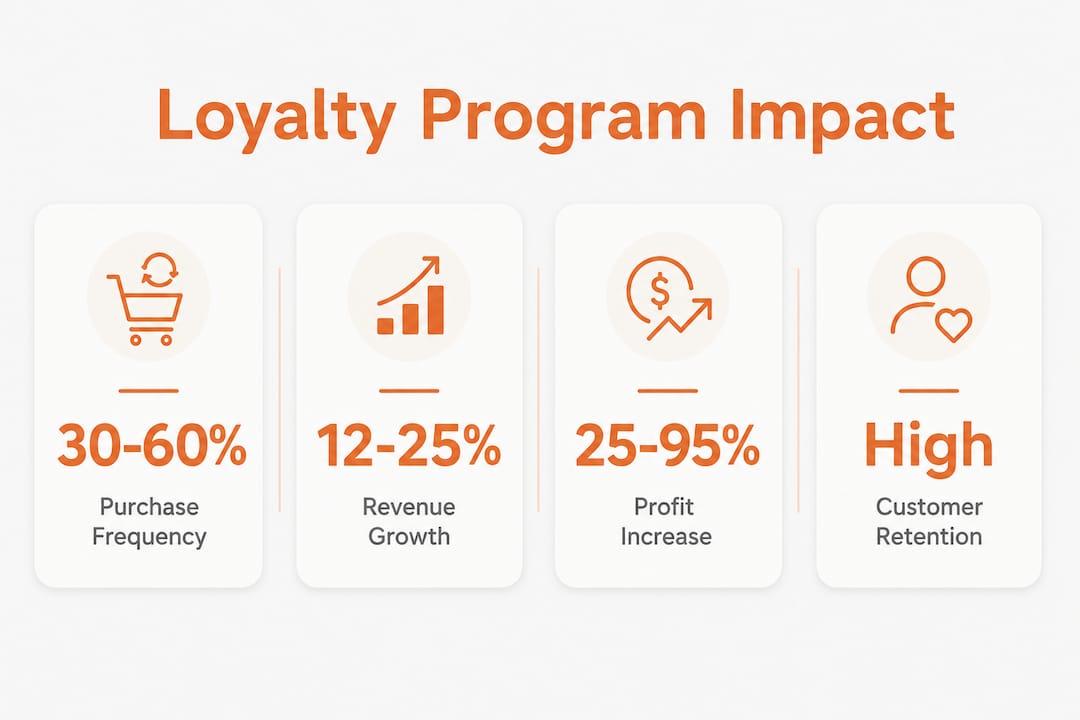
Beyond revenue, loyalty programs generate first-party data that distributors simply cannot provide. Programs capture purchasing patterns by project type, trade, and region, giving manufacturers direct insight into competitive dynamics and demand cycles. That data informs R&D priorities and supply chain decisions more precisely than any distributor report. A manufacturer that knows which product lines a roofing contractor buys before a commercial re-roofing season can pre-position inventory and offer targeted incentives at exactly the right moment.
Brand resilience is a third benefit that construction professionals often overlook. Loyal contractors continue purchasing and advocating for a brand even during stockouts or operational disruptions. When a supply chain issue hits and a product is temporarily unavailable, a loyal contractor waits or finds a workaround. A transactional contractor simply switches brands. That difference in behavior can protect significant revenue during the supply disruptions that remain common across the AEC industry.
| Benefit | Impact |
|---|---|
| Purchase frequency | Increases by 30–60% among enrolled contractors |
| Annual revenue growth | Programs drive 12–25% revenue gains |
| Profit from retention | A 5% retention increase yields up to 95% profit growth |
| First-party data | Direct insight into project types, buying cycles, and competitive gaps |
| Brand resilience | Loyal contractors maintain purchasing during supply disruptions |
What challenges do loyalty programs face and how do you overcome them?
The most common reason contractor loyalty programs underperform is complexity. Contractors are running crews, managing schedules, and tracking job costs. They do not have time to decode a multi-tier points matrix with expiration rules and category exclusions. Programs that simplify rules, include online portals, and communicate clearly see measurably higher participation rates. If a contractor cannot check their points balance from a phone in under 30 seconds, the program will lose them.
Reward relevance is the second major obstacle. Smaller contractors prefer rewards that improve business profitability, such as tool discounts, fuel cards, or training credits. Larger contractors with more stable margins tend to prefer personal rewards like travel or merchandise. A single reward catalog that ignores this split will underserve both segments. Segmenting your program by contractor size or trade type is not optional. It is the difference between a program that drives behavior and one that collects dust.
Effective rewards address both the business owner and the field team. A program that only rewards the owner with rebate checks misses the foreman who actually specifies the product on site. Crew-level rewards, such as branded safety gear, tool kits, or OSHA 30 certification reimbursements, create buy-in at the field level where purchasing decisions are actually made.
The steps to a well-structured program rollout are:
- Define the behaviors you want to reward before choosing the reward type.
- Segment contractors by company size and trade to match reward preferences.
- Build a mobile-accessible portal with real-time points tracking.
- Set a simple, transparent earning structure with no hidden exclusions.
- Communicate program updates through direct channels, not just distributor newsletters.
- Review program performance quarterly and adjust reward tiers based on participation data.
Pro Tip: Avoid building your entire program around transactional rebates. Rebates reward past behavior. Training credits, crew gear, and certification reimbursements reward future engagement and deepen the brand relationship.
How to increase contractor loyalty within construction projects
Construction professionals and general contractors can apply loyalty principles directly to subcontractor and supplier relationships, not just to the products they specify. Loyalty programs are B2B relationship management tools that influence brand selection at the job site level. That means a GC who builds structured incentives into subcontractor relationships gains the same compounding benefits that manufacturers see from their contractor programs.
Practical strategies for increasing loyalty within your project network include:
- Incorporate loyalty incentives into procurement. Offer preferred subcontractors early bid access or priority scheduling on future projects in exchange for consistent performance and on-time delivery.
- Use training as a loyalty driver. Require or subsidize product training for subcontractors who work with your specified brands. A subcontractor with ProCore experience and brand-specific product knowledge is more reliable and more loyal. You can explore subcontractor reliability best practices to build this into your vetting process.
- Leverage loyalty during supply constraints. Contractors with established brand relationships get preferential treatment from suppliers during shortages. Encouraging your subcontractors to enroll in manufacturer programs protects your project schedule when materials are tight.
- Align loyalty with project management goals. A project manager who tracks subcontractor performance data and rewards consistent performers with repeat work creates a loyalty loop that reduces the cost and risk of subcontractor substitution mid-project.
- Recognize field-level performance. Crew-level recognition, whether through safety bonuses, tool rewards, or public acknowledgment, builds the same emotional connection at the trade level that manufacturer programs build with business owners.
Security installation contractors demonstrate this principle clearly. When a security integrator builds a consistent relationship with a preferred cabling subcontractor, both parties benefit from shared knowledge, faster mobilization, and fewer RFIs. That is contractor loyalty operating at the project level, not just the product level.
57% of contractors make purchasing decisions based on rewards, yet half of contractors remain unenrolled in any program. That gap represents a direct opportunity for construction professionals who want to build more reliable subcontractor and supplier networks.
Key Takeaways
Contractor product loyalty is the single most cost-effective tool manufacturers and construction professionals have to increase purchase frequency, protect revenue during disruptions, and build subcontractor networks that perform consistently across projects.
| Point | Details |
|---|---|
| Loyalty vs. rebates | Loyalty programs reward cumulative engagement; rebates reward only single transactions. |
| Revenue impact | Enrolled contractors increase purchase frequency by 30–60% and annual spend by 12–25%. |
| Retention ROI | A 5% retention gain drives up to 95% profit growth at 5–25x lower cost than acquisition. |
| Reward segmentation | Match rewards to contractor size: profitability tools for small firms, personal perks for larger ones. |
| Project-level application | GCs can apply loyalty principles to subcontractor relations to reduce substitution risk and improve schedule reliability. |
Why loyalty is the most underused asset in construction
Contractors talk about loyalty all the time, but most construction businesses treat it as a byproduct of good service rather than something they actively build. That is a mistake I have seen cost project teams real money and real time.
The shift that changes outcomes is treating loyalty as a managed asset, not a feeling. When you track which subcontractors show up consistently, complete work to spec, and communicate proactively, you have the data to reward that behavior deliberately. A preferred subcontractor list with documented performance history is a loyalty program. Most GCs just do not call it that.
The manufacturers who get this right are not spending more on marketing. They are spending differently. They are putting budget into training credits, crew gear, and digital portals instead of trade show booths. The result is a contractor base that specifies their products by default, not because the price was right that quarter.
My honest advice: start with one behavior you want to reinforce, whether that is on-time delivery, safety compliance, or product specification, and build a simple recognition system around it. You do not need a sophisticated points platform to start. You need consistency and follow-through. That is what contractors remember.
— Rowena
How Constructconnect-rconstructionsolutions supports your contractor network
Building loyalty with subcontractors and suppliers starts with having the right people in your network. Constructconnect-rconstructionsolutions brings 30+ years of AEC industry experience to recruiting and sourcing for construction professionals who need pre-vetted subcontractors, suppliers, and project staff. The prorated 90-day placement model means you only pay for successful outcomes, not just introductions.

When your subcontractor network is built on verified performance and trade-specific expertise, loyalty programs have a stronger foundation to work from. Constructconnect-rconstructionsolutions connects you with the AEC talent and sourcing solutions that make reliable contractor relationships possible from day one.
FAQ
What is contractor product loyalty in simple terms?
Contractor product loyalty is the preference a contractor develops for a specific brand’s products, reinforced through structured incentive programs that reward repeated purchasing, training, and brand advocacy over time.
How do contractor loyalty programs increase revenue?
Programs increase purchase frequency by 30–60% and can drive annual revenue growth of 12–25% by rewarding cumulative buying behavior rather than one-time transactions.
What rewards work best for contractor loyalty programs?
Smaller contractors prefer rewards that reduce operating costs, such as tool discounts and training credits. Larger contractors tend to favor personal rewards like travel or merchandise.
How does loyalty help during supply chain disruptions?
Loyal contractors continue purchasing from a preferred brand even during stockouts, while transactional contractors switch immediately. That behavioral difference protects significant revenue during supply constraints.
Can general contractors apply loyalty principles to subcontractor management?
Yes. GCs who track subcontractor performance and reward consistent performers with repeat work, early bid access, or crew-level recognition create the same compounding loyalty benefits that manufacturers build through formal programs.